HAVE A GOOD CONVERSATION
THE SCENE WILL FOLLOW

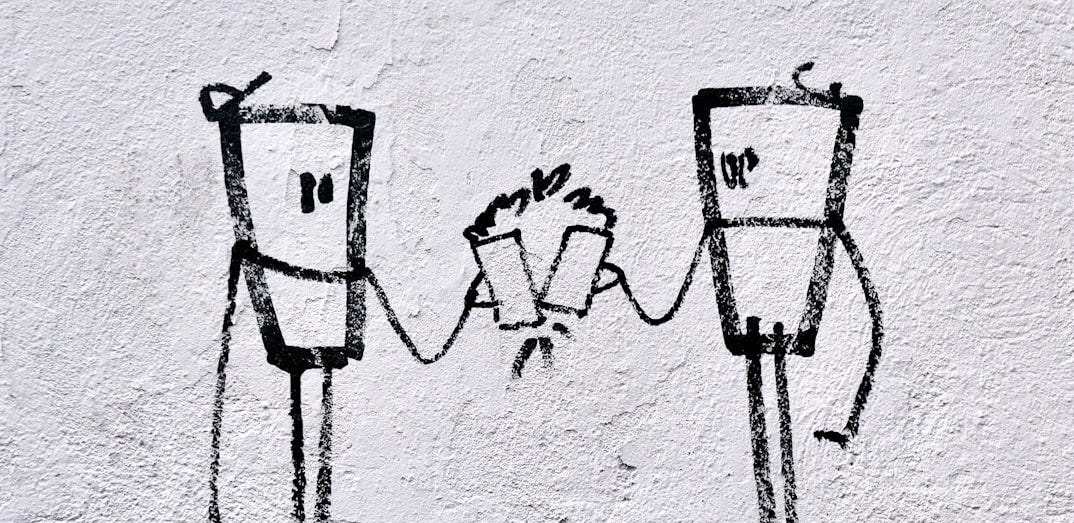
One of the biggest adjustments Improvisers can make in their scene work is to not talk AT the scene, but talk IN the scene.
A favorite note I’ve gotten and given, “If you can’t find the game, at least have a good conversation.” Sometimes we can get pedestrian focusing on creating a base reality, framing the game, justifying the game, patterning game. The panic created when the scene doesn’t go as planned is to do more game moves. You are doing moves at the scene to get it back on track. You are no longer in the scene, you are throwing things at the scene.
Maybe instead of that, have a nice conversation. Pick something out of the scene that interests you and discuss! Have a point of view, listen to other opinions, don’t argue, take it all in. The audience will listen, they will agree or disagree with point of views given. They will be entertained.
On the way home the people on a date who went your comedy show will talk about that conversation that was had on stage, they will continue the conversation on the way home then they will make sweet love. What they will never do is discuss game moves. Unless they’re improv nerds, then the sex will be horrible.
COMMUNICATION IS COMPETITION
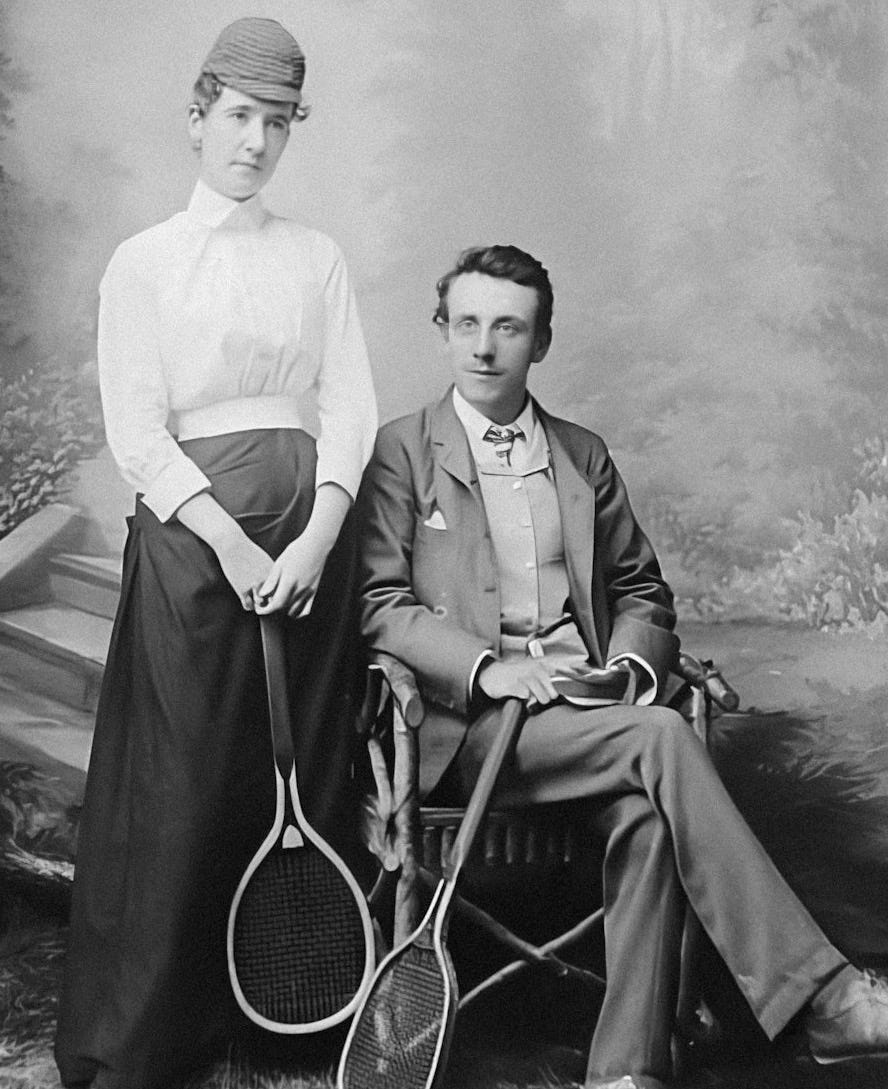
Be competitive with your conversations, treat it like a tennis match. A good tennis match has great volleys, backhands, going back and forth building up energy as it continues.
You want to be actively listening to your scene partner as well as reactively giving. You get a great specific, give a great specific back to them. If they're giving emotion, react with emotion. [No emotion can be a strong response, just don’t do it all the time because that would make you a psychopath]
Counter physicality with physicality. If they move downstage left you counter by moving downstage right. [Again, yes, you can just stand in the middle of the stage. But you really might be a psychopath]
All of these things are part of a great conversation. It’s not just talking to each other, it’s me applying crouching tiger style verses your hidden dragon. A good Ninja finds balance in all things, knows when to hide and when to be seen. Being active/reactive evolves the conversation into a scene. Be the Ninja not the psychopath.

PRACTICE CONVERSATIONS
If Improv is acting and acting is the art of portraying real life, have conversations in real life. Pay attention to them, when to have them. I’m not one to stake up random conversations with strangers so I have to remind myself, if the Uber Driver wants to talk about the weather… YOU TALK ABOUT THAT WEATHER!
If done right the conversation will drift to other things and eventually you find out about the Uber driver’s near death experience snorkeling off the coast of Belize.
TIPS FOR A GOOD CONVO:
Share the empathy. “How awesome is that!”
Ask follow up questions. It might trigger more memories. “Where did you see that concert?”
Let their experiences activate your flash memory, this will find a response with new information to add. “Last time I saw Rush play was in Jacksonville back in the college days, saw a guy get stabbed.”
Let them finish their train of thought before you change the subject. “Sounds like you had a great time! Hey, do you know where I can get a good knife?”
Let the conversation meander, don’t try to control it with your agenda. “ Yes, great songs indeed, anyways, about that knife store…” [Psychopath]
In conclusion, if you’re having problems figuring what the scene is about, don’t panic, talk about it. At least have a good conversation. Maybe it won’t help you be a better improviser, but you might just end up being a better person.
